
Bihar Government Aims to Train 500,000 Students in Artificial Intelligence by 2026
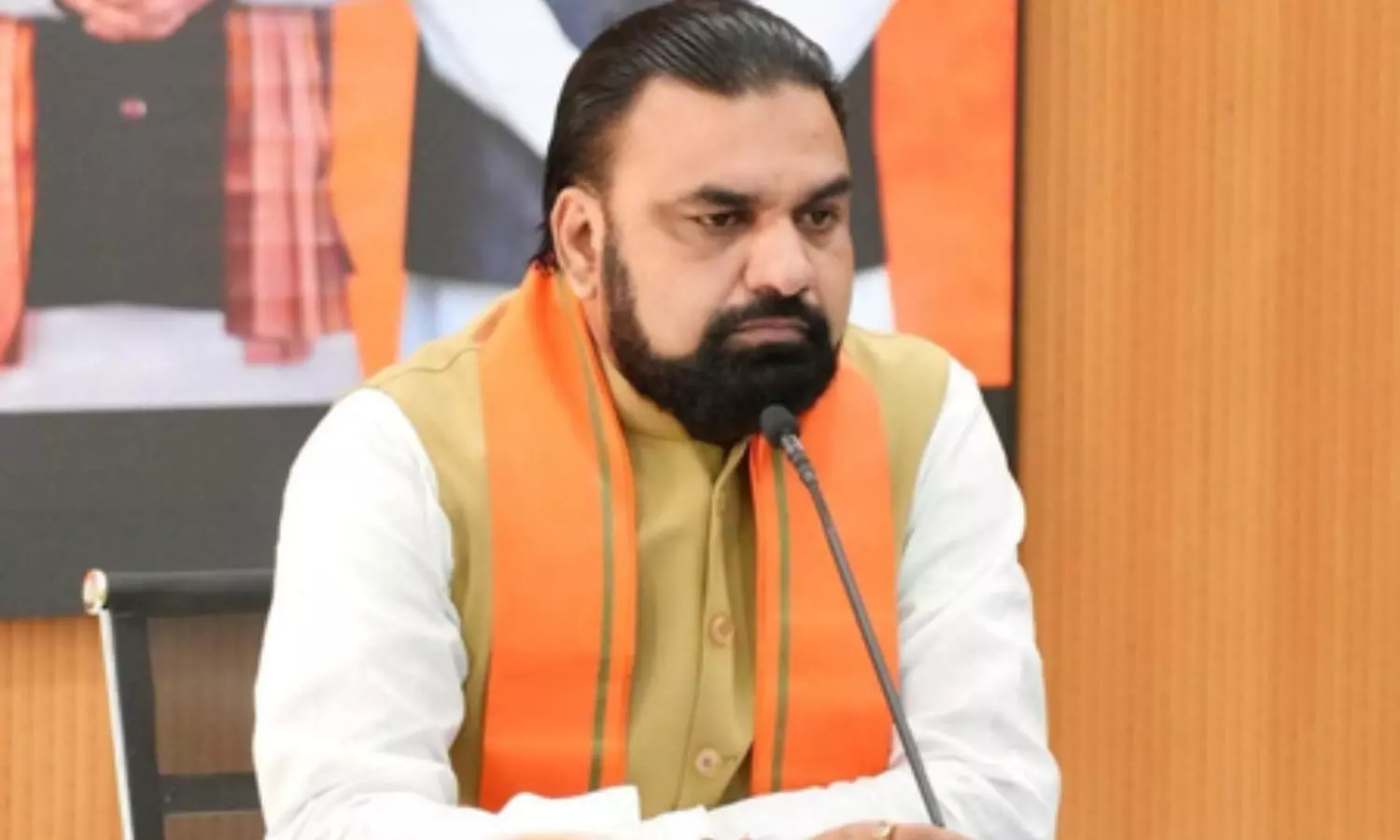
In a bold move to position Bihar as a hub for technological innovation, Chief Minister Samrat Choudhary chaired a pivotal review meeting on Thursday at the Sankalp Hall in Lok Sevak Awas, unveiling an ambitious target to train 500,000 students in Artificial Intelligence (AI) by 2026. This initiative is part of the proposed Bihar Artificial Intelligence Policy 2026, designed to harness the potential of AI technology to drive economic growth, attract investments, and generate employment opportunities across the state.
Strategic Vision for AI Development
The review meeting brought together key officials from various departments, who engaged in extensive discussions on the measures necessary to promote AI-based innovation in Bihar. The Chief Minister emphasized the need for a comprehensive framework that not only focuses on training but also on fostering a conducive environment for startups and tech enterprises. Choudhary articulated a vision where Bihar could emerge as a key player in the digital economy, leveraging AI to address local challenges and enhance public services.
Background: The Rise of AI in India
Artificial Intelligence has transformed industries globally, and India is no exception. With a burgeoning tech ecosystem and a young, dynamic workforce, the country has positioned itself as a potential leader in AI development. However, the challenge remains in equipping the workforce with the necessary skills to meet the demands of this rapidly evolving field. Bihar's initiative aims to bridge this gap and ensure that its youth are not left behind in the tech revolution.
Investment and Employment Opportunities
During the meeting, officials outlined various strategies to attract investment into the state's burgeoning tech sector. Choudhary highlighted the importance of public-private partnerships in creating a robust infrastructure for AI research and development. By fostering collaboration between educational institutions, government bodies, and private enterprises, the state aims to create a vibrant ecosystem that encourages innovation and entrepreneurship.
Training Programs and Curriculum Development
The proposed training programs are set to be implemented across various educational institutions in Bihar, focusing on both theoretical understanding and practical applications of AI technologies. The curriculum will cover essential topics such as machine learning, data analysis, and robotics, ensuring that students are well-equipped with the skills required to thrive in a technology-driven job market.
Official Statements and Community Reactions
In his remarks, Chief Minister Choudhary stated, "This initiative is not just about training students; it's about creating a future where our youth can be at the forefront of technological advancements. We are committed to making Bihar a center for AI innovation, and this training program is a crucial step towards that goal." The announcement has been met with enthusiasm from educators and industry leaders alike, who view it as a significant opportunity to elevate the state's educational standards and economic potential.
Future Outlook: Challenges and Opportunities
While the initiative is promising, several challenges remain. Ensuring access to quality training facilities, attracting skilled trainers, and maintaining industry relevance in the curriculum will be critical to the program's success. Additionally, the state must address infrastructural limitations and enhance digital literacy among its population to support this ambitious plan.
As Bihar embarks on this transformative journey, the success of the AI training initiative could serve as a model for other states in India, demonstrating how targeted educational policies can empower youth and stimulate economic growth in the age of technology. The coming years will be crucial in determining the effectiveness of this ambitious policy and its impact on the future of Bihar's workforce.