
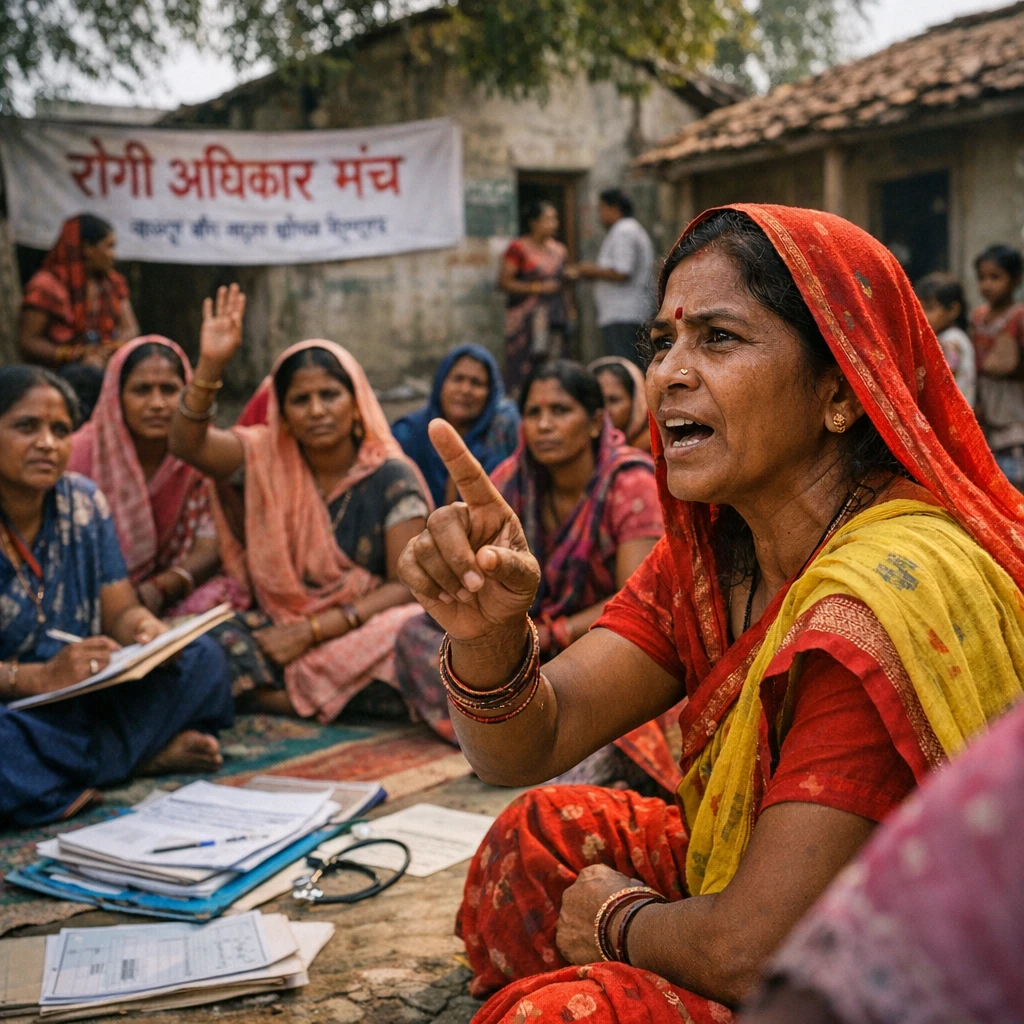
Bihar Women Lead Health Care Revolution, Demanding Better Services and Empowering Communities
Empowering Women in Bihar: A New Era of Health Care Advocacy
In the heart of Bihar, a transformative movement is reshaping the landscape of maternal health care. Women are transitioning from being passive recipients of health services to becoming proactive advocates for their health and well-being. The establishment of Patient Stakeholder Platforms (PSPs) has been a significant catalyst for this change, fostering a collaborative environment where community members engage in health discussions and advocate for better services.
Background: The Health Care Crisis in Bihar
Bihar, one of India's most populous states, faces daunting challenges in maternal health. The region grapples with high levels of multidimensional poverty, which severely limits access to quality health care. Many families rely on private health facilities, which can be prohibitively expensive. For instance, the average out-of-pocket expenditure for maternal health care is ₹25,600 in private facilities compared to just ₹2,067 in public ones. This disparity often forces families to forgo necessary medical care, exacerbating health risks for mothers and their children.
Recognizing these challenges, health initiatives have been introduced to empower communities, particularly women, to demand better health care services. Since August 2024, the Patient Stakeholder Platforms have emerged as a critical component of this initiative, bringing together various stakeholders, including Accredited Social Health Activists (ASHA), Auxiliary Nurse Midwives (ANM), and local community members.
Key Players in the Initiative
- Accredited Social Health Activists (ASHA): These community health workers play a vital role in bridging the gap between health services and the community, educating women about maternal health and facilitating access to care.
- Auxiliary Nurse Midwives (ANM): ANMs provide essential health services at the grassroots level, including antenatal care and health education.
- Community Members: Both men and women from local organizations are actively participating in health discussions, creating a more inclusive approach to health care.
Statistics Reflecting Progress
The impact of the PSPs is evident in the statistics:
- 99.1% of pregnant women registered for care during FY26.
- 86.8% of these women received at least four antenatal care (ANC) visits, a crucial marker for maternal health.
- Among identified high-risk pregnancies, 79.3% received appropriate treatment, indicating improved health outcomes for vulnerable populations.
- A total of 311 PSPs are currently active across 21 districts, comprising 5,610 members dedicated to improving health care accessibility.
Voices from the Ground: Personal Stories of Change
Community leaders and members have shared their experiences, highlighting the profound impact of these initiatives. Manoj Kumar Arora, the sarpanch of Chanduara, noted,
“The health facility has now come closer than before. People are coming forward for health care themselves... Gradually, seeking health services became a habit.”
Similarly, Gudiya Devi, a member of the Jeevika initiative, expressed her newfound awareness:
“Joining the PSP exposed me to a much wider range of health issues. Today, I am able to identify health concerns beyond nutrition.”
The Role of Education and Awareness
Education and awareness are pivotal in this movement. The PSPs are not just platforms for health service delivery; they are forums for knowledge sharing and empowerment. By educating women about their health rights and available services, the PSPs are fostering a culture of proactive health management.
Workshops and community meetings are organized to discuss various health topics, including maternal health, child nutrition, and disease prevention. This comprehensive approach ensures that both men and women are informed and engaged, breaking down traditional gender barriers in health care discussions.
Political and Social Implications
The implications of this grassroots movement extend beyond health care. As women become more empowered and informed, they are also more likely to engage in broader social and political issues. This shift can lead to increased advocacy for women's rights and health policies at the state and national levels.
Moreover, the collaboration between men and women in health discussions signifies a cultural shift towards shared responsibility in health care. This change could foster a more supportive environment for women, encouraging them to seek care without stigma or fear.
Conclusion: A Model for Future Health Initiatives
The initiatives in Bihar serve as a model for other regions facing similar challenges in health care access and maternal health. By empowering women and fostering community engagement, the PSPs are not only improving health outcomes but also transforming the societal landscape.
As this movement continues to grow, it holds the potential to reshape the future of health care in Bihar, ensuring that women's health needs are prioritized and that communities are equipped to advocate for their rights. The journey from passive beneficiaries to active participants is a powerful testament to the resilience and strength of women in Bihar, paving the way for a healthier and more equitable future.