
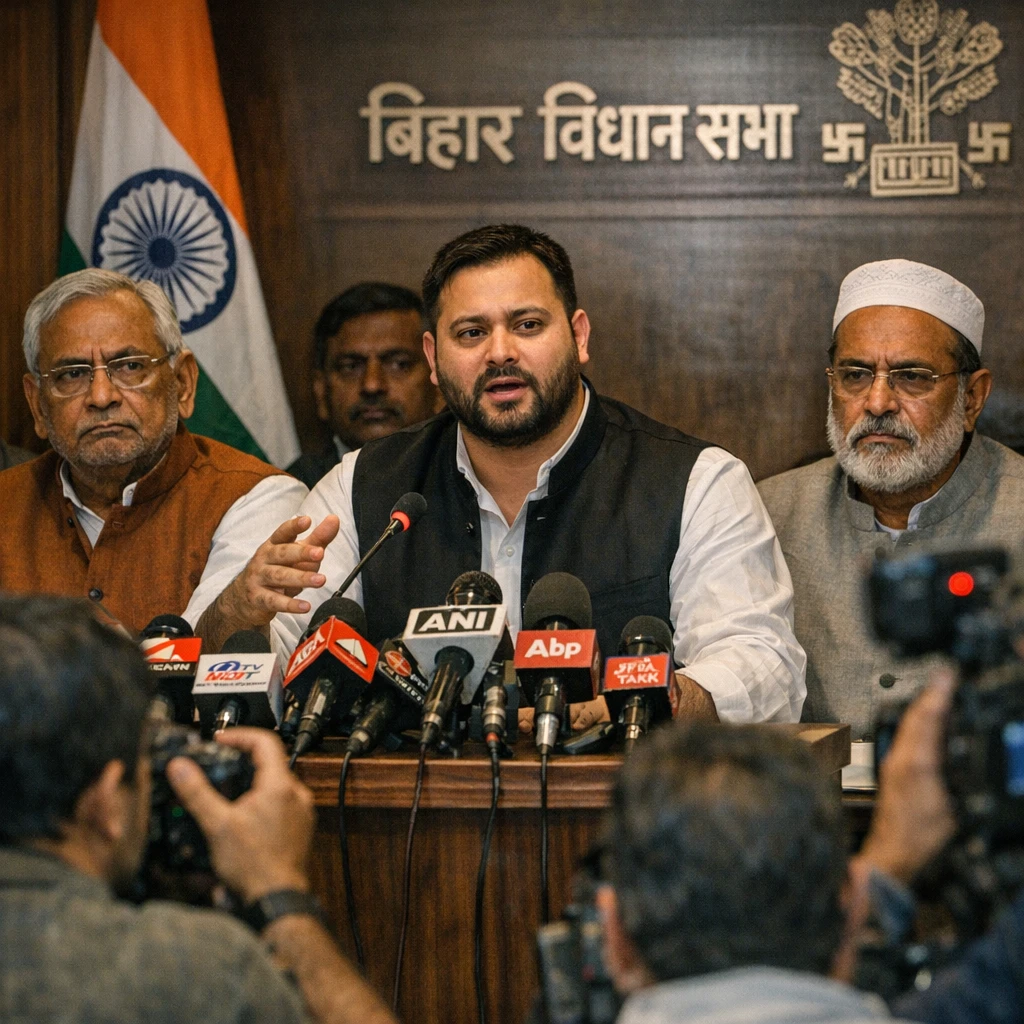
Opposition Demands New Strategies as Bihar Drug Crisis Escalates Beyond Prohibition Laws
The Drug Crisis in Bihar: A Call for Comprehensive Solutions
Bihar, a state in eastern India, is grappling with a growing drug crisis that has prompted a chorus of criticism from opposition parties. Despite the implementation of stringent prohibition laws aimed at curbing substance abuse, the effectiveness of these measures is being called into question. Political leaders and representatives from various opposition parties are advocating for a broader approach to address the underlying issues contributing to drug addiction and trafficking.
Background: Understanding the Drug Crisis
The drug crisis in Bihar has escalated over the past few years, with reports indicating a rise in both drug abuse and trafficking activities. While specific statistics have not been disclosed in recent media coverage, anecdotal evidence suggests that the problem is pervasive, affecting a wide range of demographics, including youth and vulnerable populations. The state's existing prohibition policies, while well-intentioned, have not yielded the desired results, leading many to argue that a more nuanced strategy is necessary.
Prohibition Policies: A Double-Edged Sword
Bihar's prohibition laws, which were enacted to combat the consumption of alcohol and drugs, have faced significant scrutiny. Critics argue that these laws have not only failed to reduce drug abuse but have also inadvertently fueled a black market for illicit substances. Many users are turning to dangerous alternatives, and the lack of accessible treatment and rehabilitation services exacerbates the situation.
"Prohibition alone is not the solution. We need to address the root causes of addiction and provide support for those affected," stated a prominent opposition leader during a recent press conference.
Opposition's Response: A Call for Comprehensive Strategies
In response to the growing crisis, opposition parties in Bihar are actively campaigning for a reevaluation of the government's approach. Leaders from various political factions are uniting in their call for comprehensive strategies that encompass not only enforcement but also prevention, education, and rehabilitation.
- Prevention Programs: The opposition advocates for educational initiatives aimed at raising awareness about the dangers of drug abuse, particularly among youth.
- Rehabilitation Services: There is a pressing need for accessible treatment facilities and support systems for individuals struggling with addiction.
- Community Engagement: The involvement of local communities in drug prevention efforts is seen as crucial for fostering a supportive environment.
Key Figures in the Opposition
Prominent political figures have emerged as vocal advocates for change in Bihar's drug policy. Leaders from parties such as the Rashtriya Janata Dal (RJD), the Indian National Congress (INC), and the Left parties have been instrumental in shaping the discourse around the drug crisis. Their collective efforts highlight a growing consensus on the need for a multifaceted approach.
Chronological Breakdown of Recent Developments
The discussions surrounding Bihar's drug crisis have intensified in recent months:
- Early 2023: Reports of rising drug abuse cases begin to surface, prompting concern among public health officials and opposition leaders.
- Mid-2023: Opposition parties start to vocalize their criticisms of the government's prohibition policies, calling for a more comprehensive strategy.
- September 2023: A series of press conferences are held by opposition leaders, emphasizing the need for prevention and rehabilitation efforts.
- October 2023: The issue gains traction in the media, leading to public discussions and debates about the efficacy of current laws.
Political and Social Implications
The ongoing drug crisis in Bihar has significant political and social implications. The opposition's push for a more comprehensive approach may reshape the political landscape in the state, as voters become increasingly concerned about the effectiveness of current policies. Moreover, the crisis highlights broader societal issues, including poverty, lack of education, and inadequate healthcare services, which contribute to drug addiction.
Historical Precedent: Lessons from Other Regions
Looking beyond Bihar, other regions in India and around the world have faced similar challenges with drug policies. Historical precedents show that prohibition alone often fails to address the complexities of drug addiction. For example, countries that have adopted harm reduction strategies, such as Portugal, have seen positive outcomes by focusing on treatment and prevention rather than solely punitive measures.
"We must learn from the experiences of other regions. A holistic approach that prioritizes health and well-being can lead to better outcomes for our communities," remarked a public health expert during a recent forum.
Conclusion: A Path Forward
The drug crisis in Bihar is a multifaceted issue that requires urgent attention and action from both the government and society as a whole. As opposition parties continue to advocate for a comprehensive strategy, it is essential to consider the root causes of addiction and the need for effective prevention and rehabilitation services. Moving beyond prohibition to a more nuanced approach could pave the way for a healthier and more resilient Bihar.
In the coming months, the political discourse surrounding this issue is likely to evolve, potentially influencing policy changes and public perception. The call for a broader strategy is not just a political maneuver; it reflects a genuine concern for the well-being of the people of Bihar, who are caught in the throes of a devastating drug crisis.